

Smart commercial buildings are the trending buzzwords for an optimized building that is transforming the real estate landscape and leading to new business models. This change comes in the aftermath of the 2019 pandemic when soaring real estate rates, supply costs, hybrid space demands forced businesses to either hunt for smaller, affordable spaces or close their operations.
Today, commercial real estate (CRE) businesses are posed with a challenge of revamping their spaces for optimized productivity, sustainability, and cost-efficiency.
Smart Commercial Buildings: Do They Make Any Difference?
Smart commercial buildings are built to help businesses reduce building energy consumption to 30% by controlling the power-guzzling systems such as HVAC and lighting. These solutions are a blend of technology tools that work in combination with smart building systems and contribute to building efficiency, tenant comfort, and sustainability. They collect asset performance data and use them to automate the systems and enhance building performance.
Buildings powered by smart building systems are designed to enhance occupant comfort. These smart building solutions are better equipped to control the indoor environment and create a workspace that is optimized for productivity.
The smart building solutions in these buildings continuously monitor the security systems and keep managers notified of their status. These buildings are energy efficient systems that are built to reduce dependency on non-renewable energy sources and increase the use of clean renewable energy.
Technologies Used in Smart Building Products
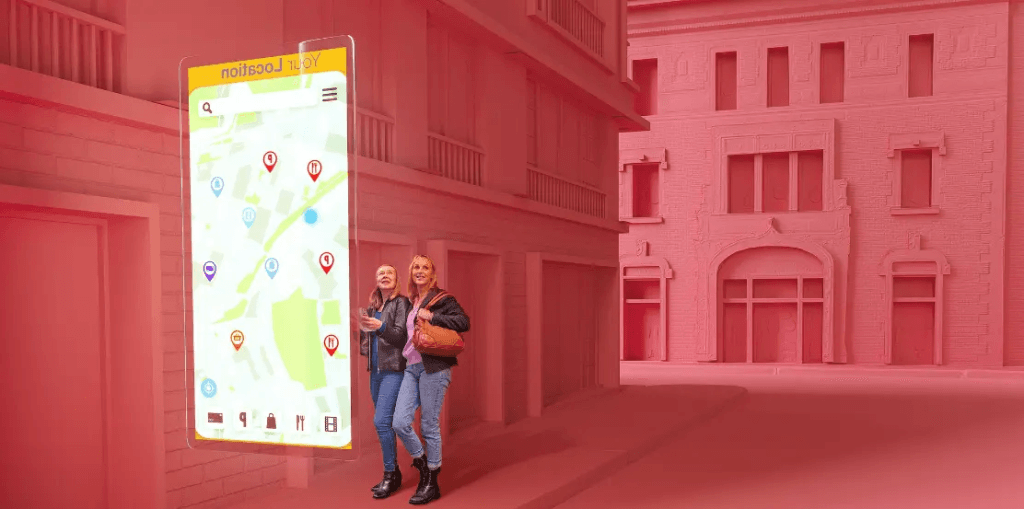 Smart building products work using technologies such as sensors, networks, and automation systems to enhance building performance. Let us see how each of these systems contributes to the building performance.
1. Sensors
A building can have a range of sensors to choose from, based on the requirement of the business and the sensor technology. Depending on the technology, sensors will have their own role to play in smart buildings such as monitoring humidity, detecting smoke, tracking occupancy, and sensing temperature.
An upscale hotel may use light sensors to track the lights in the [guest rooms and turn them off when there is no occupant. A building may employ contact sensors to monitor the status of cold storage or closet doors, windows, and cabinets, or have proximity sensors for the automatic doors, water faucets, or anti-theft devices.
2. Networks
A smart building is essentially free from bundles of networking cables and uses wireless technology to sense and connect its digital assets. An efficient wireless networking technology can make your life simpler by taking away the hassles of broken networking cables and asset downtime.
3. Automation systems
Automation is also an idea around which operations of smart buildings are planned. A building equipped to take care of its operations needs to have automation technology software and hardware to back it. An automation technology may involve the use of smart bulbs or other energy efficient devices, or have a system that controls the performance of those systems.
Transforming Businesses in Commercial Real Estate
 Traditional businesses maintained buildings that are low on energy efficiency and required to maintain a warehouse to store inventories needed for maintenance. However, modern buildings need to reduce building space and increase energy and work efficiency. Smart connected buildings have changed the way commercial property managers handle their business operations, thus leading to new ways of doing business. Here are some of the models that came up with the rise of smart connected buildings.
Transaction-based Revenue Model
In this model, businesses planning for smart connected buildings will be paying for each transaction related to the hardware, software, and services purchased from the vendor. Some building management system (BMS) providers will directly integrate with clients as solution providers.
Building-as-a-service Model
In this model, the CRE businesses offer buildings as services which act as platforms that collect useful data related to the building performance for the tenants. This can lead to considerable savings for the tenants and lead to improved user experience.
Partnership and Consolidation Model
In this, businesses develop partnerships with those who are providing emerging technologies, instead of building a new product, and integrate them into their systems. This enables them to save considerable time and efforts on the research and development and create new customer experiences.
Smart commercial buildings are the future of real estate space which are fast changing how businesses operate. Apart from bringing down energy consumption to 30%, they enhance tenant experience and boost productivity. In the times of climate change and rising inflation, these are the intelligent choices for commercial property managers. A great option if you have plans to invest in a technology solution that saves you huge in the long run.

