
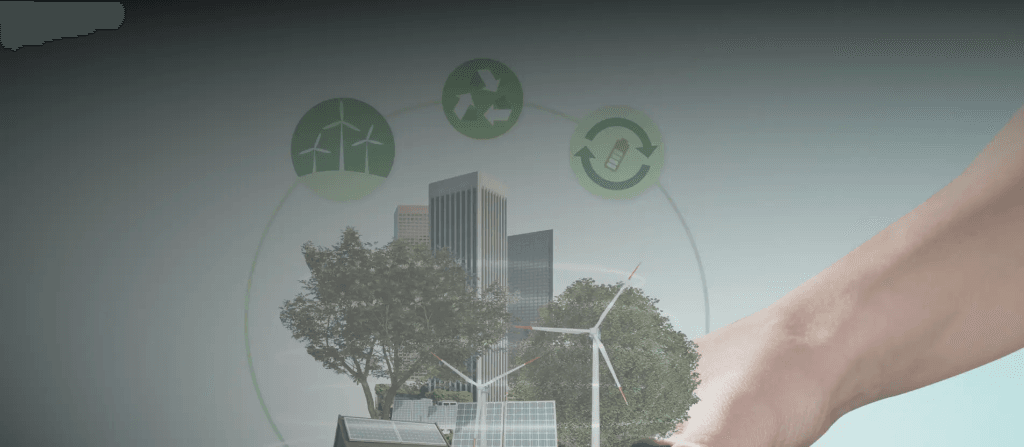
Sustainable building is the most talked about thing in the world with businesses looking for ways to deal with soaring energy and real estate prices in the post-pandemic times. Most businesses are shifting to smaller commercial spaces to accommodate hybrid jobs. Commercial real estate businesses are thinking of affordable ways to make their buildings cost and energy-efficient for clients.
Challenges in dealing with climate change
The world is recognizing the severity of climate change and wants businesses to comply with regulations on sustainability. Businesses are facing the heat of either switching to sustainable building management or facing legal consequences. Here are some of the challenges that lie in the way of achieving sustainability.
Buildings as carbon emitters and power guzzlers: As per a finding, cities were estimated to have the highest share of power consumption at around 78%. They are abuzz with financial activities involving commercial and residential spaces, an overwhelming number of energy-consuming appliances, and jam-packed roads.
They have a 28% share in global carbon emissions, while the construction materials used in the buildings such as cement, aluminum, and steel further push it to 38%.
More energy consumption, more pollution: With the world population about to touch 10 billion by 2050, carbon emissions are expected to show a steep climb. Hence, we can expect more commercial spaces, residential buildings, construction materials, and electrical appliances to add to this problem. With the world bracing up to reduce carbon emissions and deal with climate change, there is an increased demand for energy-efficient and greener buildings.
Climate change and net zero challenge: Carbon emissions can trigger global warming, which can in turn lead to devastating environmental effects. A few degrees rise in global temperature can lead to polar ice meltdown, rise in sea level, flooding of coastal cities, droughts, etc. The world has a challenge of achieving net zero carbon by 2050 and limiting global warming to less than 1.5%.
7 Key Solutions for Climate Change and Sustainable Building
 Sustainable building is the first step a business must take if it wants to change everything that is leading to emissions. However, all businesses can't invest in green architecture and transform the entire building infrastructure.
Here are some areas to choose the extent to which you can extend your efforts to prevent climate change.
1. Energy efficient appliances
If you do not have plans to construct a sustainable building but still want to reduce energy consumption, consider replacing the existing appliances with energy-efficient systems. Replacing the older appliances with the Energy Star-certified ones helps businesses consume up to 40% less energy.
2. Sustainable building materials
On the contrary, if you are planning to invest in greener buildings, here are some sustainable building materials interesting alternatives found by the researchers.
3. Recycled steel
Even though steel is a durable material, producing it is a high energy consumption process. Alternatively, using recycled steel can help businesses bypass production and manufacturing costs and reduce carbon.
4. Timbercrete
Concrete is the most important construction material used extensively in buildings, which is also found to leave a bigger carbon footprint. A cheaper and more durable alternative for concrete blocks is timbercrete, which is a composite of saw dust or powder of timber.
5. Recycled plastic
Plastic, despite its uses, poses a major environmental challenge because of its longest life span, ranging from a few hundred years to forever. Plastic waste processed into bricks can be used in buildings to reduce hazardous landfills and create a sustainable world. Also, green architecture uses sustainable building materials such as smart glass windows to use natural light to your advantage and save energy.
6. Constructing a sustainable building
For some businesses, creating an efficient building means tearing down an existing building and rebuilding a new one using sustainable materials. It may involve huge investments in setting up entire building infrastructure and installing energy-efficient appliances. This idea may not be feasible for businesses looking for cost-effective solutions.
7. Equipping with a building management system
For other businesses, it is about getting a building management system (BMS) and tools such as digital twins, sensors, and networks to manage the building. This can be a complex task involving the vendor installing the BMS system along with proprietary software. Such systems use data generated by the building assets and analytics to enable businesses to control the performance of the building systems.
Even though this sustainable building management option involves considerable investment for the business, it starts saving for the business immediately since its installation and proves beneficial over time.
Sustainable building is the answer to dealing with climate change. Businesses have countless ways to address this challenge, based on how much one is willing to invest. Building materials mentioned here are just a few out of a plethora of options available in the world, and there are many eco-friendly materials to choose from depending on a business requirement.
Conclusion: Building management systems enables businesses to make intelligent decisions with the assistance of digital technology. They can also be cost cutters for businesses unwilling to construct a new building. Even though BMS demands considerable cost initially, in due course of time it can bring down expenses by making the system streamlined and enabling data-dependent decision-making.

