
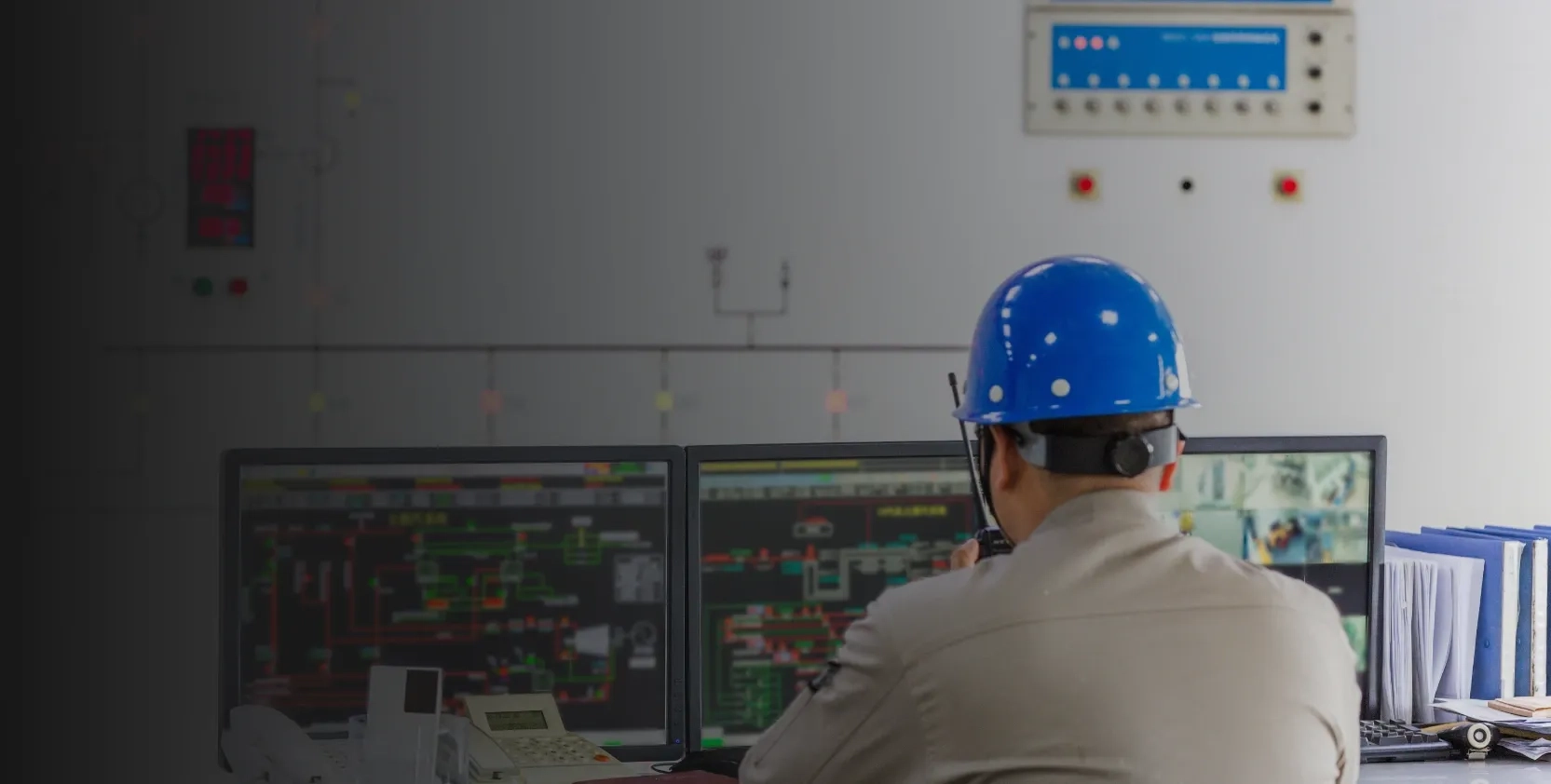
When you start searching for a facility management system that will efficiently handle your assets and automate facilities' operations, you might get overwhelmed with several facility management systems. Enterprise Asset Management (EAM) and Computerized Maintenance Management System (CMMS) are the two most viable options. EAM and CMMS are facility management systems where EAM focuses on optimizing the overall performance of the assets, while CMMS automates maintenance strategies to enhance asset health and its performance.
Although both business management software have similarities, there are some key differences between EAM and CMMS which make them better suited to a business depending on the industry or business operations. It is important to understand the difference between these two facility management systems so that you pick the right platform for your asset management process.
What is EAM?
Enterprise Asset Management or EAM is a facility management system that systematically manages the organization's physical assets throughout their life cycle. This may include facilities, equipment, infrastructure, and other tangible assets that are crucial for business operations.
The main aim of EAM business management software is to enhance the asset performance and its value while minimizing risk and cost.
What is CMMS?
A CMMS is less comprehensive than an EAM and mainly focuses on maintaining the asset health. It entails scheduling inspections for maintenance, making sure there are necessary parts available, handling work order management, etc. It also automates manual processes and integrates different departments.
To summarize, a CMMS is a facility management system that makes sure that all the assets are in proper working condition and saves repair downtime through constant inspections.
Read more on top 10 CMMS software available in the market.
Difference between EAM and CMMS
Both CMMS and EAM are maintenance-oriented solutions but there is a distinction between the two in terms of functionality and parameters. In short, CMMS software offers just a portion of what EAM software has to offer.
Here is a breakdown of the difference between EAM and CMMS:
| Parameter | EAM | CMMS |
|---|---|---|
| Focus | EAM software is centered on strategic asset management which takes into account the organization's long-term goals, performance optimization, and asset lifecycle management. | With a focus on the ongoing upkeep and operational facets of assets, CMMS software is more operationally oriented. |
| Emphasis | Places a substantial emphasis on the entire life cycle of the assets from planning to disposal. | Focuses more on the maintenance and operational facet of the assets than the entire asset life cycle. |
| Strategic vs. Operational | EAM software is considered a strategic tool that aligns with the end goal of the business and helps in decision-making | CMMS software is more operational and focuses on day-to-day maintenance tasks to keep the assets in proper functioning condition. |
| Maintenance strategy | EAM stresses on preventive maintenance but also strategies to minimize the overall asset cost. | CMMS software is more centered on preventive maintenance tasks and managing work orders for corrective maintenance. |
| Industry application | Commonly used in industries that have large and complex asset portfolios such as manufacturing, utilities, and facilities management. | Used in several industries, particularly those that prioritize the upkeep of machinery and infrastructure, such as manufacturing, healthcare, and hospitality. |
Which solution is right for you?
Companies may wish to look at CMMS software if they want greater control over asset management in relation to project management and maintenance scheduling. It can help the company with:
Better asset visibility - You can quickly pull up any information about an asset.
Automation capabilities - Automatically create work orders, set up shifts for workers, reorder parts, etc.
Field workforce management - Keep up to date with your workforce through a central platform.
Going with the facility management system EAM would be a better option if a company needs a comprehensive all-inclusive business management software that covers the entire asset lifetime. Businesses that have to handle a variety of big and small assets, such as computers, manufacturing machinery, and fleets of vehicles, can benefit from it. EAM systems are good for:
Picking up on issues - It helps to identify asset-related problems and make stable facility management solutions.
Monitoring and maximizing asset usage - EAM software can read the information about different assets from IoT devices to know the availability and reliability of assets.
Keeping up with aging assets and infrastructure - It helps to make more informed maintenance management strategies to asses different assets.
How to Choose CMMS & EAM for Different Industries?
 EAM and CMMS are both most common asset management and maintenance solutions. Though there are many similarities between the two, both have some key differences in their focus and functionalities based on the industry and specific needs. Let us explore which might be better suited for which industry:
1. Construction industry
EAM EAM is more beneficial for large-scale construction projects as it offers a comprehensive holistic view of the assets throughout their lifecycle. It is beneficial for facility, vehicle, and equipment management in the construction industry. EAM also assists in monitoring maintenance plans, guaranteeing adherence, and enhancing the efficiency of assets.
CMMS As CMMS is more centered in day-to-day maintenance tasks, it is more suitable for routine inspections, work orders and inventory. Ideal for construction companies that need to streamline maintenance processes for tools, machinery, and facilities.
2. Retail industry
EAM EAM is better suited for giant retail firms with extensive tangible assets. It offers insights into asset performance, helping in strategic decision-making. Useful for managing asset's lifecycle such as HVAC, refrigeration unit, and even physical infrastructure of retail outlets.
CMMS Valuable in retail chains where regular maintenance is required. It helps to manage the work orders efficiently while making sure every equipment is well-maintained. It is better suited for retail businesses where the focus is on preventive maintenance to reduce downtime.
3. Real estate industry
EAM Companies with diverse asset portfolios should go with EAM. It helps optimize the lifecycle and performance of assets. It is useful for strategic planning, compliance management, and ensuring the longevity of real estate assets.
CMMS Suitable for real estate businesses that require routine maintenance. It aids in efficiently handling work orders and building schedules. Ideal for property managers who need to keep buildings and facilities well-maintained.
4. Hospitality industry
EAM The hospitality industry can benefit from EAM by efficiently managing its assets and getting useful insights into asset performance. Useful for managing assets in resorts, hotels, etc. where guest satisfaction is the primary goal.
CMMS CMMS is better suited for the hospitality industry to manage daily operations and maintain assets. It is ideal for hospitality firms that need to handle maintenance requests efficiently and preventive maintenance activities.
Conclusion
The choice between EAM and CMMS depends on the specific needs and requirements of the business within certain industries. A thorough research is required to determine which facility management system will suit your business more.
A suitable business management software enhances the efficiency and productivity of the facility. Some businesses may benefit from just one while some may require a combination of both software solutions. It is essential to evaluate the strategic and operational requirements to make the decision.

