

Energy conservation is one of the most talked about topics in the world today with many businesses facing survival crises due to rising prices of oil and commodities. It is found that commercial and residential buildings in the USA consume around 40% of total energy in the form of HVAC systems, lighting, and other appliances. These buildings contribute to 40% of carbon dioxide emissions, which makes sustainable energy practices a highly critical part of building management.
Before we can go any further it is important to understand how energy conservation and sustainable energy are related to building management.
Is Energy Conservation a Worthy Stake for Your Business?
Energy conservation in commercial or residential buildings is a real challenge as electrical appliances are commonplace in modern buildings. The only difference between them is the amount of energy consumed, which is more in the former due to the huge number of appliances. As per research by Energy Star in 2018, around 5.9 million commercial buildings in the USA spent $141 billion on energy.
This makes it even more important for the building owners to track energy consumption in buildings and take necessary measures to clamp down on excessive energy usage.
Energy Management in Buildings
In traditional systems, energy management is performed by making behavioral changes such as informing the occupants to turn off the lights, ACs, and fans before leaving a room. Alternatively, they use energy-efficient light bulbs and other Energy Star appliances to reduce power consumption and increase building efficiency.
Some businesses take measures to reduce heating bills by sealing and insulating the building or using natural light to reduce the usage of electrical lights. However, these steps are inefficient and exposed to numerous challenges and complexities, as the operator needs to monitor and manage each appliance directly through a manual survey.

Energy Management Systems
Most modern energy-efficient buildings use energy management systems (EMS) to control energy usage in electrical appliances such as heating, refrigeration, ventilation, and lighting systems. These energy-saving solutions monitor energy consumption in buildings by using sensors to gather data and provide operators with analytical reports to achieve building energy efficiency.
How to Implement Energy Conservation
Businesses need to get a clear picture of their building energy efficiency before they can plan the measures they can undertake to troubleshoot energy issues. Unless they get an estimate of energy consumption they remain blindfolded to the current situation and the plan to be undertaken. Once they estimate the current energy consumption, they need to finalize the budget they can allocate for implementing energy-conservation measures.
Energy Usage Tracking
Identifying the current energy usage can be useful in understanding the usage pattern and identifying problem areas for corrective measures. Depending on the business operation and budget, businesses may use a manual inspection or an energy management system (EMS) to track the energy consumed by each asset over a while.
Energy-conservation Measures
Using manual inspections to assess the operational procedures can be an option if you have a limited budget. In such as case, energy-efficient products and services can be a great start to achieving building energy efficiency. However, investing in a good energy management system can work as an advantage for you, bringing ease and effectiveness to energy-conservation measures.
Educating Building Occupants
Creating awareness about energy conservation in your workplace is the first step you can take toward making energy management more effective. The reason is that, in this way, you will be making more people aware and getting them involved in your building efficiency initiatives. So your entire system will be working round the clock to achieve energy efficiency for your business.
Benefits of saving energy
Energy-conservation measures not only reward the business with energy savings but also provide a multi-pronged advantage. Some of them are as follows:
Bring down energy expenses
Enhance workplace comfort
Reduce environmental impact
Increase property value
Bring down energy expenses If the US building owners had implemented energy-saving solutions for their commercial buildings in 2018, they would've made savings of around $58.2 billion from their $141 billion annual spending. Energy management systems may seem costly initially, but if carefully planned and implemented they can save huge in the long run.
Enhance workplace comfort With measures taken to keep the building efficient and sustainable, the buildings will remain comfortable for the occupants. Most energy-saving solutions enhance the comfort of the building occupants by automatically turning off appliances when no one is using them. The energy saved thus can be utilized when the building occupants start using the appliances.
Reduce environmental impact Energy conservation measures bring down the consumption of fossil fuels used for energy generation. This saves energy for the future and reduces the impact of carbon emissions on the environment. Also, businesses, occupants, and customers will have the contentment with contributing to the environment due to reduced reliance on fossil fuels.
- Increase property value
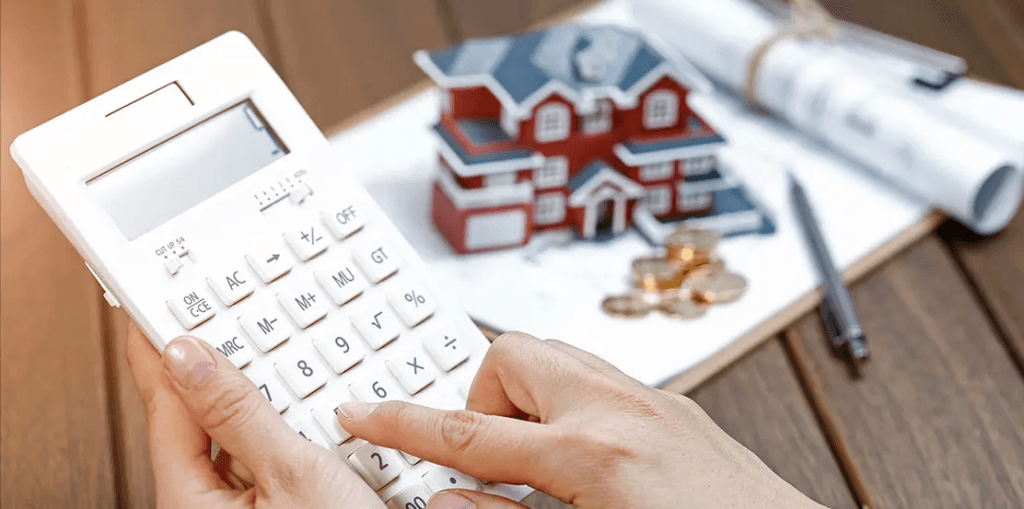
Increased comfort, reduced bills, and lower environmental impact are some of the reasons why energy-efficient buildings receive more demand than normal buildings. Businesses searching for commercial spaces would prefer buildings that are energy efficient, as they save energy and cost as well as stay sustainable for the future.
Energy conservation and management are the necessity of the present and future. The world needs to move ahead on the path of sustainability by implementing energy conservation measures. Even though energy management systems demand considerable investment, they can help businesses contribute to sustainability and save more in the long run.

