
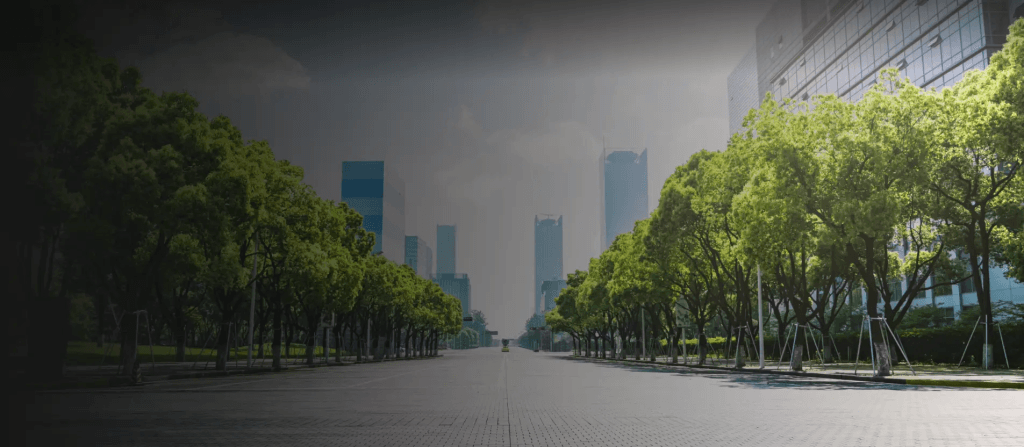
LEED (Leadership in Energy and Environmental Design) certification is a widely recognized indicator of sustainability and environmental performance for buildings. As the most widely recognized sustainability accreditation for architects, project developers, homeowners, and interior designers, the certification has helped green construction become popular. It is now the most generally accepted sustainability qualification for interior designers, architects, project developers, and homeowners.
In this article, we will delve into the key aspects of LEED certification, its criteria, and the benefits it offers to both the environment and the building occupants.
What is LEED certification and how does it work?
Designed by U.S Green Building Council (USGBC), LEED certification assists the building owners and designers to better showcase the sustainability of their property. Obtaining certification from the most reputable third-party green building certification in the world has a significant impact on enhancing your ESG credentials.
There is a LEED certification framework for nearly every project, with a rating system that is grouped into five categories:
- Building Design and Construction (BD+C)
- Interior Design and Construction
- Operations and Maintenance (O+M)
- Neighborhood Development
- Homes
The LEED rating system assesses sustainable systems and design elements employed in building projects using a point-based methodology. Buildings can become LEED certified and act as models for sustainable development in the future by earning up to 110 points. These rating levels are as follows:
- LEED Certified: 40-49 points
- Silver Certification: 50-59 points
- Gold Certification: 60-79 points
- Platinum Certification: 80+ points
After a Green Building Council Inspector confirms a project's certification grade, a LEED authorized professional issues a certificate indicating the project's achievement level. Attaining a certification level denotes a notable level of fulfillment of conditions, including but not limited to zero CO2 emissions, environmental sustainability promotion, energy efficiency enhancement, indoor air and environmental quality optimization, energy performance improvement, and materials sustainability prioritization.
Once these requirements are met, the project becomes eligible to be LEED accredited through the point system. When a project is certified LEED, it shows that it is dedicated to the highest degree of sustainability and complies with strict guidelines. It also highlights the project's environmental impact and emphasizes its association with environmentally friendly construction.
What are the requirements?
Qualifying for a LEED certification can be a complex process as it deploys extremely detailed standards and guidelines involving mathematical calculations and elaborate documentation.
Here is a brief, simple certification checklist for buildings that assigns points based on five categories for green building design and construction:
- Sustainable sites
- Water efficiency
- Energy and atmosphere
- Materials and resources
- Indoor environmental quality
There are nine priority categories that offer ecologically sustainable upgrades that can lead to a private home being called as LEED accredited sustainable sites:
- Water efficiency
- Energy and atmosphere
- Materials and resources
- Indoor environmental quality
- Locations and linkages
- Awareness and education
- Innovation and design
- Regional priority
How Can Buildings Achieve LEED Certification Goals?
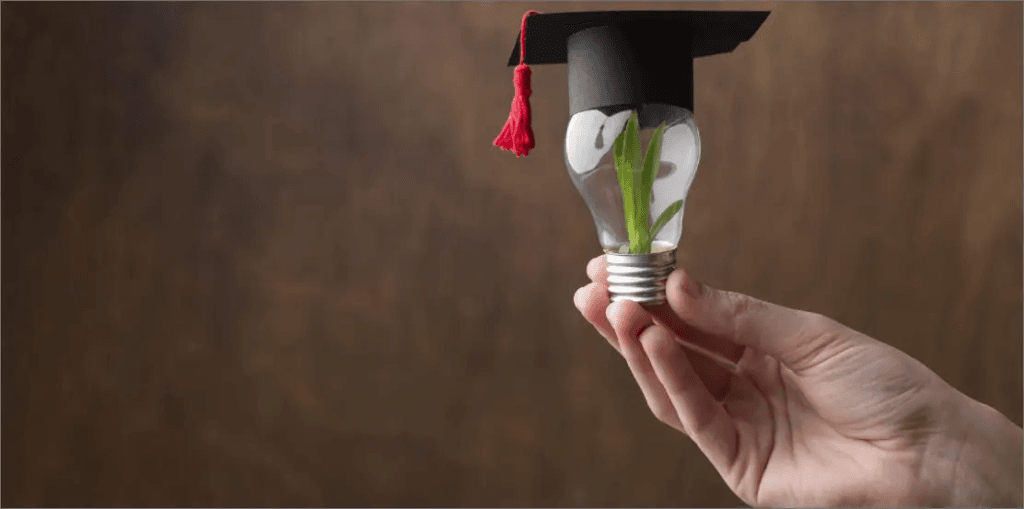 Buildings can achieve LEED (Leadership in Energy and Environmental Design) certification goals by implementing various strategies aimed at reducing environmental impact and promoting sustainability.Some key approaches include:
1. Energy efficiency Energy and the environment are intrinsically linked, especially when it comes to addressing climate change. Preparing green buildings to use renewable sources of energy will align them with the sustainable energy grid. Furthermore, integrating on-site renewable energy generation and battery storage allows buildings to generate and utilize clean energy for their own operations.
Even the existing buildings can enhance energy efficiency. Implementing energy-efficient technologies such as using LED lighting, energy-efficient HVAC systems, double-panned windows and optimized building insulation can help achieving these goals.
2. Natural materials By utilizing natural materials that have no negative health effects, buildings can improve human health. Additional components of a healthy indoor environment include sunlight, plants that lift the spirits, and enough air circulation.
It is important to be aware of the possible health dangers related to specific elements that are frequently present in cleaning products, paints, and synthetic carpets. Both newly created sustainable sites and existing buildings can provide environmental and human health benefits by purposefully avoiding such materials and other causes of indoor air pollution. Instead they can give priority to sustainable material choices during interior fit-outs.
3. Low water consumption Buildings need to be more proactive in solving water efficiency issues as freshwater supplies become increasingly limited. Effective ways to lessen a building's water footprint include installing rainwater recycling systems and adding appliances made with minimal water use in mind. These tactics support shared regional goals while also aiding in the protection of priceless freshwater resources.
Green buildings can demonstrate their dedication to sustainable water management and move closer to becoming LEED accredited projects by implementing such strategies.
4. Recycling Using recycled materials in new project building can drastically lessen the environmental effect of the project in terms of resource conservation and the usage of regenerative materials. Moreover, some substances possess the extraordinary capacity to retain CO2, improving the surroundings in which they are found.Buildings can minimize the extraction of raw resources and support the circular economy by choosing recycled materials.
This strategy lowers waste production and carbon emissions linked to conventional manufacturing techniques while also aiding in the conservation of natural resources. By actively removing carbon from the atmosphere, these materials contribute to a greener and healthier built environment and help slow down global warming.
5. Ecosystems and wildlife
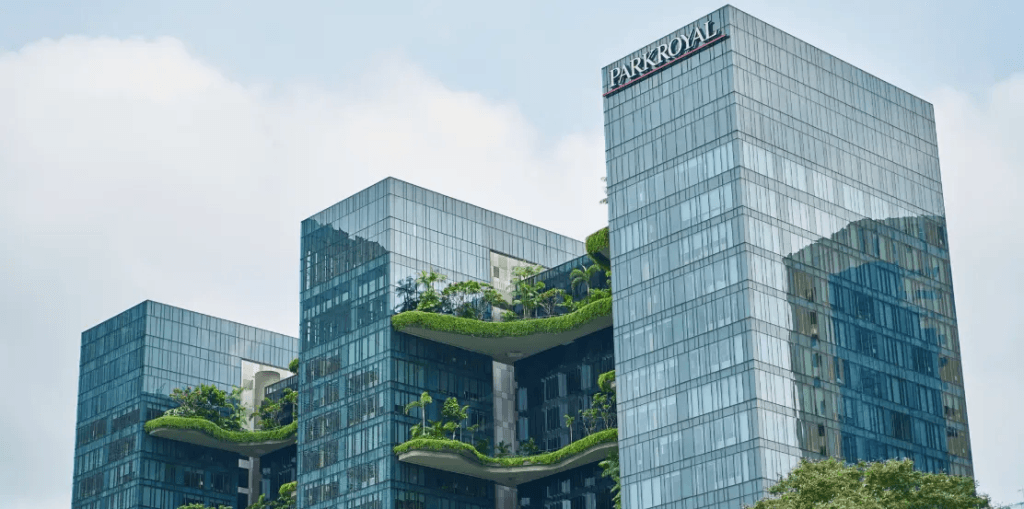 Although the loss of biodiversity is a regrettable byproduct of human progress, there is a chance to lessen its effects on nearby ecosystems and species through sustainable site development.
The loss of biodiversity can be effectively minimized by putting into practice strategies like bird-proofing buildings, developing permeable landscapes that sustain wildlife, including native plants in landscaping, and creating rooftop gardens. This method is in line with ethical and ecologically sound building and design practices, in addition to mitigating biodiversity loss.
6 Steps to get the LEED certification
Set a clear goal: Establish your target certification rating so that you may organize and carry out the required actions to get there. Here is the rating tool UGC has to help you decide.
Determine your project type: Your project may fall under multiple categories so it is better to go with the type which tick marks the 60-40 rule. Choose a rating system that applies to 60% of your floor plan and not 40% or less.
Initiate your project: Start implementing the necessary adjustments to meet the standards of your goal rating, regardless of whether you're upgrading, creating a new project, or applying for re-certification.
Register and pay the registration fee: In order to obtain LEED certification, you will need to formally register your project and pay the associated registration fee, which usually varies between $900 and $5000. The precise sum depends on a number of variables, including the size of the project and the required certification level.
Compile and submit project data: Building project managers are the primary source of voluntary data that LEED uses, thus it's critical to collect and submit the required data completely and precisely.
Review period: The USGBC usually takes 20-25 days to assess a project and determine its eligibility to be verified as LEED accredited.
By following these steps, one can make their journey towards LEED certification for your green building project. The process requires a commitment to sustainability, collaboration among stakeholders, and a holistic approach to environmental responsibility.

