
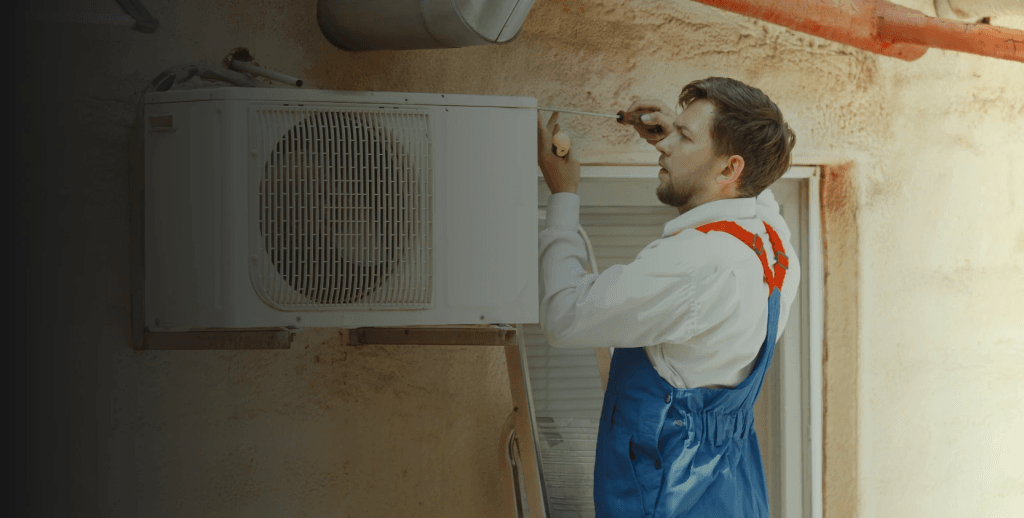
HVAC (heating, ventilation, air-conditioning) is a common term connected to facilities and plays a crucial role in creating a safe and enjoyable environment within buildings. They are an essential part of the facility and get noticed when they are not working well. HVAC maintenance is not only important to keep the systems running but also to prevent downtime repair costs and to keep the user safe.
Keeping your heating, ventilation, and cooling systems in check is important because it will help them last longer. Regular preventive maintenance is required several times a year to save time, money, and sanity. In this article, we will explore the 10 best HVAC maintenance tips and how to optimize these systems to avoid unnecessary breakdown repairs and costs.
What are the importance of regular HVAC upkeep?
HVAC stands for heating, ventilation, and air-conditioning. It is a system that converts fresh air to warm and cool air and regulates it throughout the building. These systems can also control the humidity level and keep the air inside the building clean of bacteria, virus-carrying pores, etc.
Getting a routine maintenance check-up of your heating and cooling system has several benefits, which include:
- Lower energy bills
- Fewer repairs
- Health and safety of residents/workers
- Longer equipment life
- Improved efficiency
10 HVAC Maintenance Tips Every Building Manager Must Know
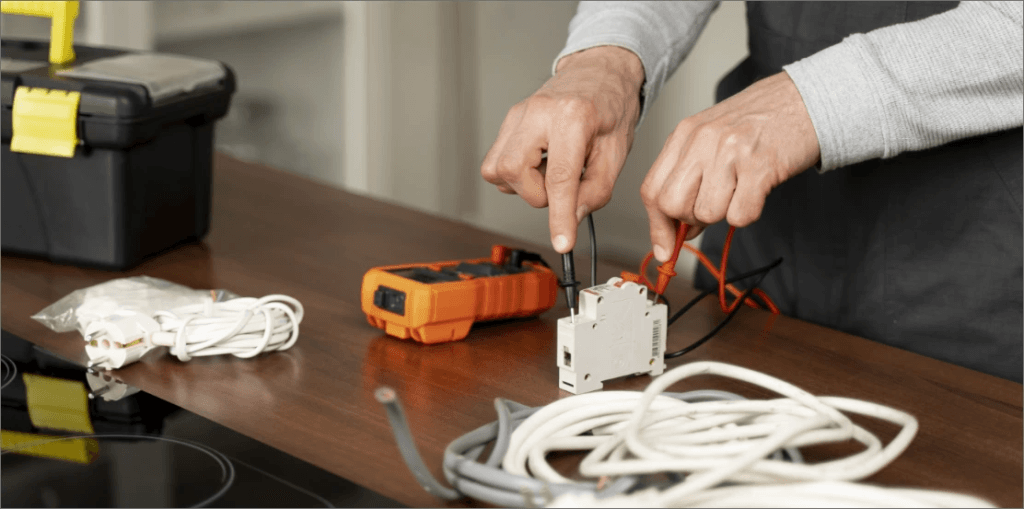 The need for a good heating and cooling system in all sorts of buildings is abundantly known, but so is the importance of regular HVAC upkeep. Your heating, ventilation, and cooling systems must always be taken care of by a professional to ensure that they are performing to the best of their abilities.
Regular HVAC upkeep can spot any issues, perhaps suggesting issues with specific equipment that may cause a system failure. It helps in deciding whether equipment needs replacement or just some repairs.
Here are some HVAC maintenance tips that help in optimizing the system performance:
1. Schedule professional HVAC yearly maintenance
Try to schedule HVAC yearly maintenance for your building or facility every spring and fall season from AC and heating. The maintenance professional will thoroughly check the system to make sure it is functioning properly. The HVAC technician will:
- Verify the settings and calibration of the thermostat.
- If necessary, tighten electrical connections.
- Make sure all moving parts are lubricated.
- Examine and clean the condensate drain as necessary.
- Examine the controls within the system.
- Tighten and clean the blower's parts.
- Clear the coils on the condenser and evaporator.
- Verify the charge of refrigerant.
- Inspect the connectors of the fuel line.
- Examine the heat exchanger, burner combustion, and gas pressure.
2. Change the filters
Clean filters are necessary for AC and ventilation to give fresh air, especially in manufacturing industries where purified and filtered air is needed. Clean filters can drastically improve your heating, ventilation, and cooling system performance, which is a small but noticeable thing.
3. Check performance
Keep an eye on the building's heating, ventilation, and cooling system performance. If the air smells muggy or stale, it may indicate some performance issues. Call an HVAC technician as soon as possible to avoid breakdowns and heavy repair costs in the future.
4. Debris
Another task that is necessary during maintenance work is cleaning debris from various heating and cooling system components. Debris can block filters, pipes, and other components, decreasing the system's overall effectiveness. Especially in the fall and winter, external units can be tucked away and clogged with leaves or debris.
5. Check for leaks
Any sign of leaks from any component can be spotted through regular HVAC upkeep and resolved as soon as possible. A leak can be caused by various reasons which can be pointed out by an HVAC technician and thus avoided in the future.
6. Clean and tighten electrical connections
Ensure that all the electrical components are functioning properly. They must be checked, cleaned, and tightened to ensure proper operations. For example, a thermostat is the component used by end users. So, it is important to keep these functioning well to keep the residents satisfied.
7. Lubricating moving parts
Lubricate moving parts to minimize wear and friction, such as motors and fans. Longer-lasting and more effective operations are characteristics of well-lubricated components.
8. Calibration of thermostat
To provide precise temperature control, fine-tune thermostats. Erroneous thermostats have the potential to waste energy and cause discomfort to building inhabitants.
9. Condensate drain maintenance
Make sure there are no obstacles in the way of the condensate drains. Blockages in the drains have the potential to cause water damage and reduce the efficiency of the HVAC system.
10. Invest in professional maintenance
Hire qualified HVAC specialists to do routine maintenance. Skilled experts can carry out thorough examinations, spot possible problems, and make the required corrections or adjustments.
What is the Cost of HVAC Maintenance?
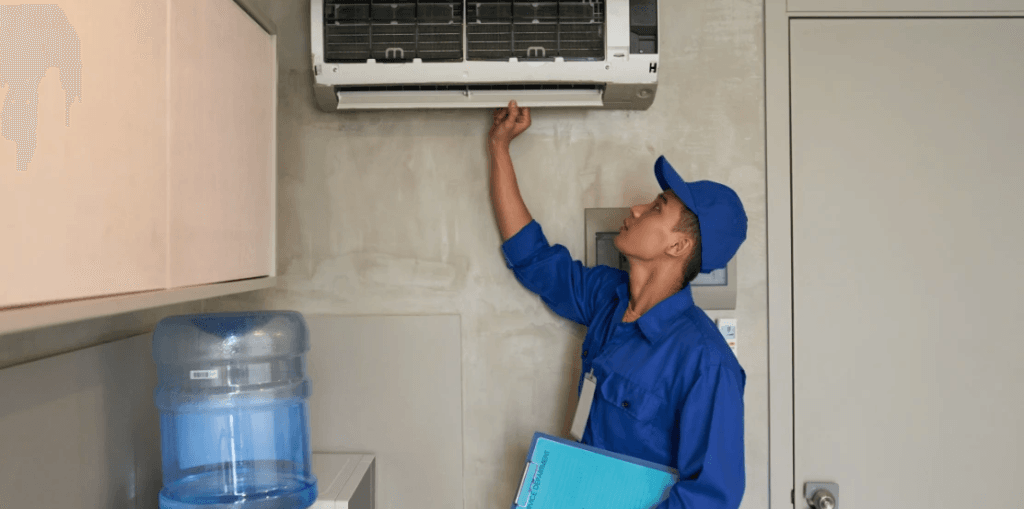 If you own a home or are a facility owner, it won't be a surprise to say that your heating and cooling systems need regular upkeep for proper functioning. But with this comes HVAC maintenance costs that vary depending on your system type, location, and how old is the system.
Frequent maintenance of the heating and cooling system is required to avoid costly repair bills further down the line. Though the HVAC service cost varies based on several factors, it is common that you will end up spending around $100 for a yearly maintenance call by an HVAC technician.
Read on to learn about heating, vent, and cooling system repair costs to help you keep them running smoothly.
HVAC maintenance cost factors
When it comes to heating and air-conditioning systems, an ounce of prevention really can save some money. While the typical repair cost for HVAC can go from $75 to $200, which does not include labor costs, it ranges depending on the following factors:
Unit, size, type, and age: Usually, no matter the size, type, or unit of the system, the annual repair cost is estimated to be $100. If a unit is too old, it may have some parts worn out that might need replacement. But a regularly serviced HVAC unit will require less maintenance and you can expect to spend somewhere around $75 to $200 unless any mechanical issue persists.
Brand: Similar to age and size, the HVAC brand shouldn't have a significant impact on the $75–$200 service budget unless the equipment is still covered by warranty. In such a situation, the manufacturer might insist on service from a technician who has received special certification for the brand. The manufacturer usually covers all or most of the servicing expenses.
Service type: During an annual HVAC service call, an experienced expert will inspect every component of the system and carry out regular maintenance, which includes the following:
- Examining the vents
- Verifying the refrigerant level (recharging could cost up to $300 if more is required).
- Dust within the device is being vacuumed
- Lubricating components that move
- Make sure there are no obstructions in the drain line
- Checking the thermostat
Depending on these services, the technician will charge the amount. It is to be noted, that if the service type is emergency, the repair cost will be higher. You can expect to pay around $200 to $300 more than the standard charges. Emergency repair costs are typically more than routine maintenance costs.
Materials and labor: The HVAC business may charge a regular rate that includes all of the aforementioned sorts of services for a normal service call when the technician cleans and services the system. This might cost about $125.As an alternative, the business might bill on an hourly basis; normally costing between $50 and $150 per hour, depending on the local labor market rate. The price of labor and materials to fix damage to the machine or swap out essential parts are not covered by these fees.
Geographical location: Your location won't necessarily affect the usual repair cost unless you are out of the service area of the company or technician. In that case, you might get charged an additional traveling fee. Apart from that, the charges will most likely be the same.
Summing Up: Implementing these HVAC maintenance tips can help facilities maintain a reliable, energy-efficient, and comfortable indoor environment. Regular maintenance not only prevents unexpected breakdowns but also contributes to cost savings and extends the life span of HVAC equipment.

